The Hidden Impact of VOCs in Workplace Furniture
Have you ever noticed that ‘new furniture’ smell? It’s common in newly fitted out offices, and while it might seem harmless, it’s usually the result of volatile organic compounds (VOCs) being released into the air. These can affect health. For businesses investing in workplace fit-outs, choosing furniture with low or no VOCs is important for employee wellbeing and productivity.
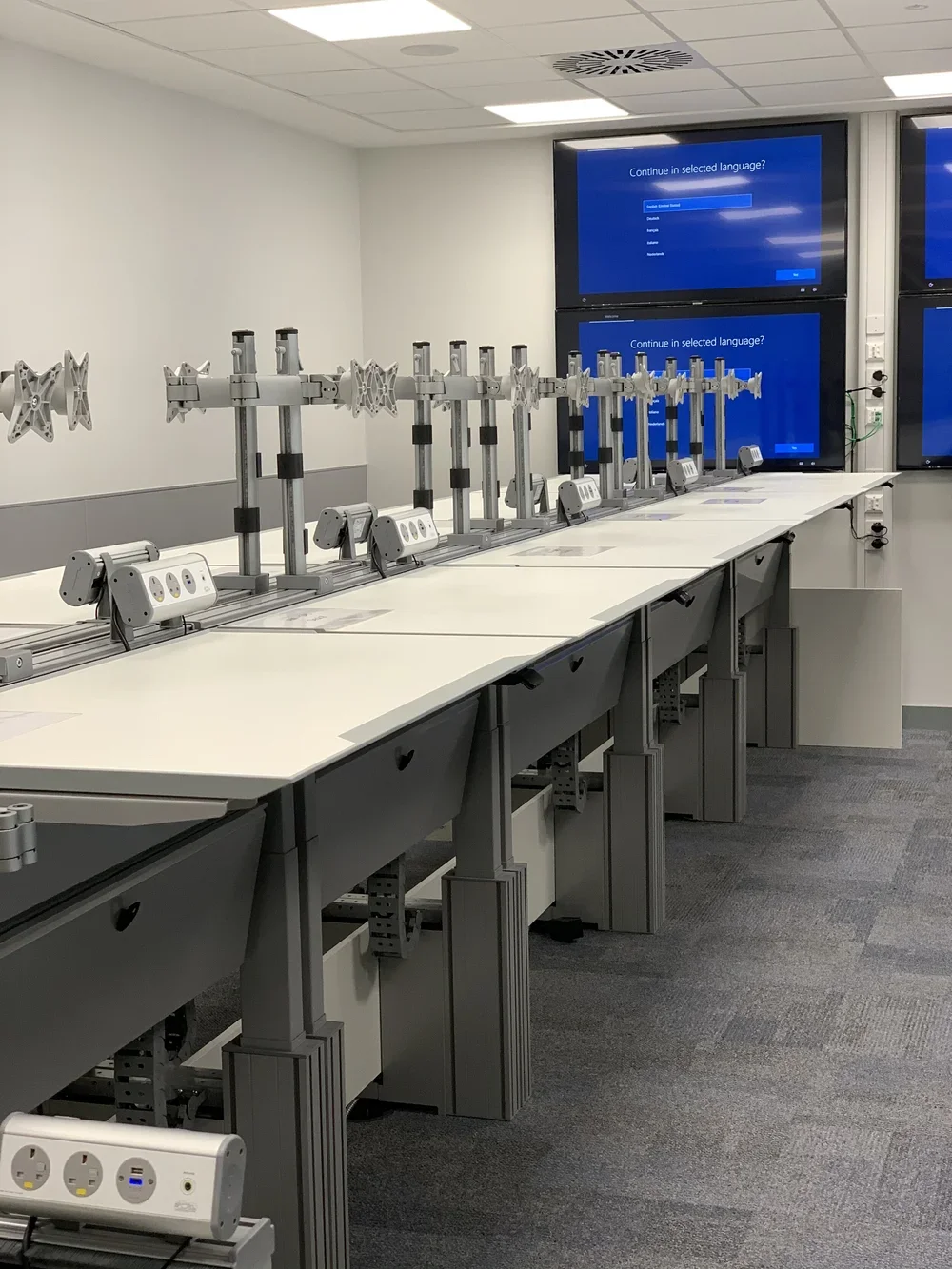
What are VOCs
VOCs, or volatile organic compounds, are chemicals that can evaporate at room temperature. They turn into gases that mix with the air we breathe. VOCs are found in a wide range of substances used in furniture manufacture. These include adhesives, coatings and laminates.
VOCs have a distinctive smell you might have picked up on after an office refurbishment. New carpets and furniture release gases into the environment. This is when employees have the highest exposure to VOCs.
Concentrations of VOCs are usually significantly higher indoors than outside.
The Impact on Health and Performance
Exposure to VOCs can impact employees’ health. The severity of this depends on the type of compounds involved and the duration of exposure.
Short-term symptoms can include:
Eye, nose, and throat irritation
Headaches and dizziness
Fatigue and reduced concentration
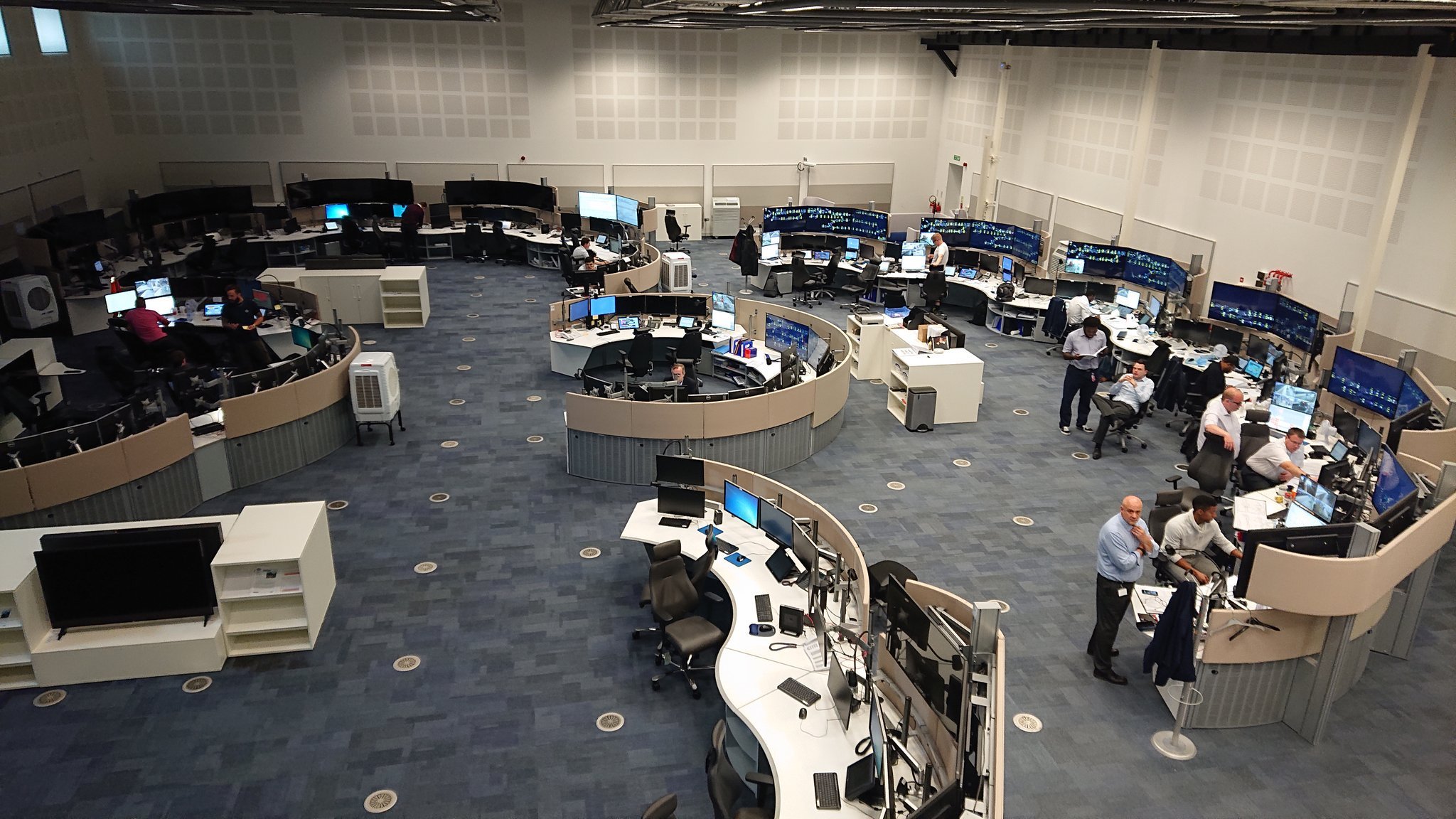
In a control room or trading floor, this could have serious implications. Operators and traders need to stay focused for long periods of time and make decisions quickly. Exposure to VOCs could impact their performance. Employees in these environments also often work long hours, increasing their exposure to VOCs.

Why It Matters for Control Rooms and Trading Floors
There are various factors that make VOCs a greater issue in control rooms and trading floors. They are occupied for longer periods of time than typical offices, around the clock in the case of control rooms. This means workers are exposed to potential VOC fumes for longer. They are also tech-heavy, the extra monitors and equipment used in these environments create heat that can accelerate VOC emissions.

Why Workplace Furniture Is a Key Source
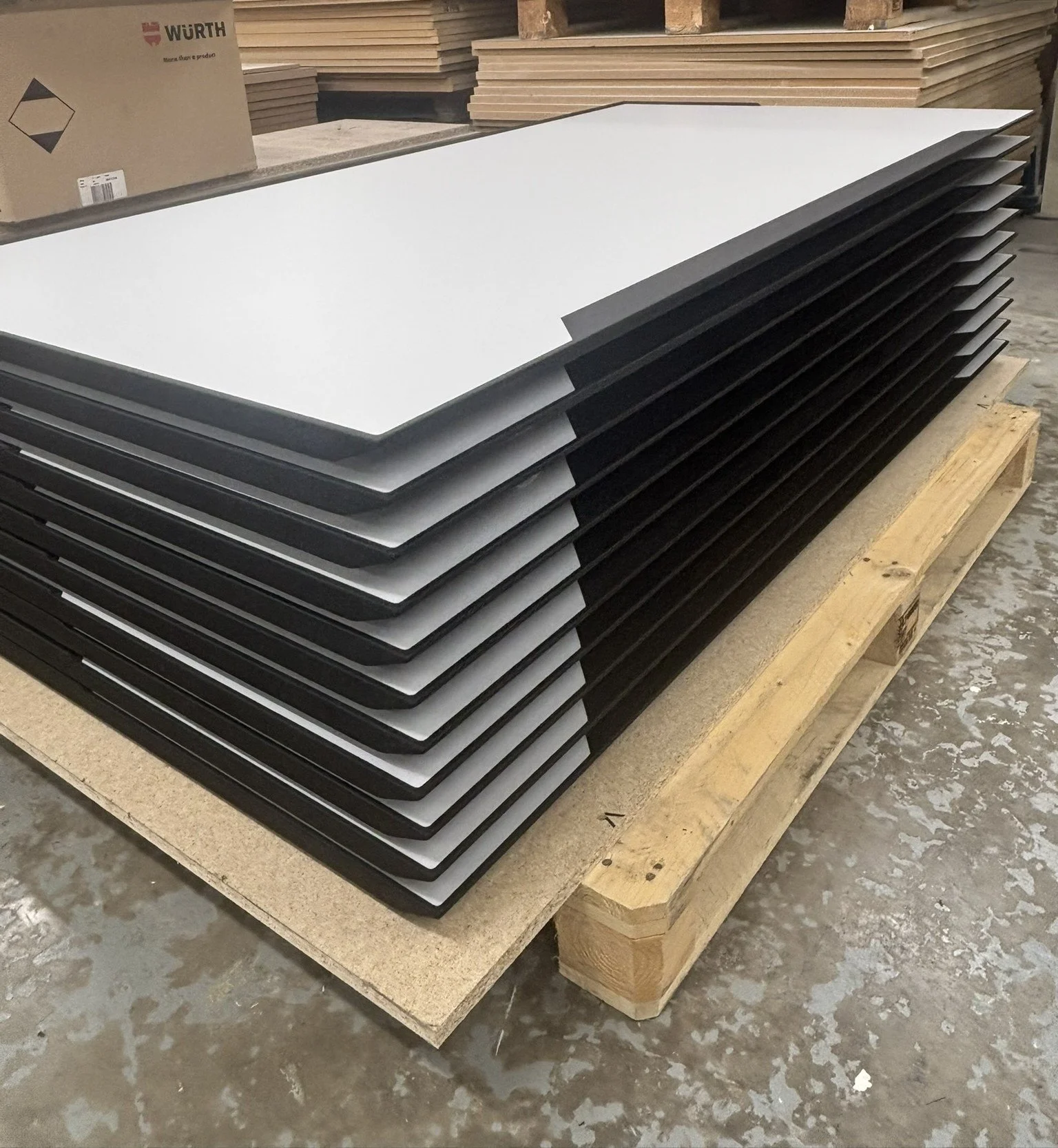
Furniture plays a bigger role in indoor air quality than many people realise. Large amounts of engineered materials are used in furniture construction. These include:
Particleboard and MDF panels bonded with resins
Surface finishes such as lacquers and laminates
Adhesives used in assembly
These materials can emit a mix of VOCs, including formaldehyde, particularly in the early stages after installation.
The process is known as off-gassing – the gradual release of trapped chemicals into the surrounding air. Emissions are typically highest within the first few days or weeks, but low-level release can continue for months or even years.
The Role of Standards and Testing
A reputable manufacturer will have their furniture independently tested for VOC emissions and be able to provide information about them.
Certification systems such as LEED, BREEAM and the WELL Building Standard set requirements for low-emitting materials by referencing established VOC emissions standards. To achieve certification, furniture must meet strict limits on the amount of VOCs it emits into the air.
VOC emissions are measured through independent laboratory testing, with certification schemes setting the limits furniture must meet.

Testing typically involves measuring emissions from finished products under controlled conditions, such as environmental chamber testing. This ensures they meet defined thresholds for indoor environments.
VOCs may be invisible, but their impact is not. By choosing responsibly manufactured furniture made with low VOC materials, it’s possible to create a working environment that contributes to cleaner, healthier air. The right furniture is not only efficient and durable, but also safe and comfortable for the people using it.
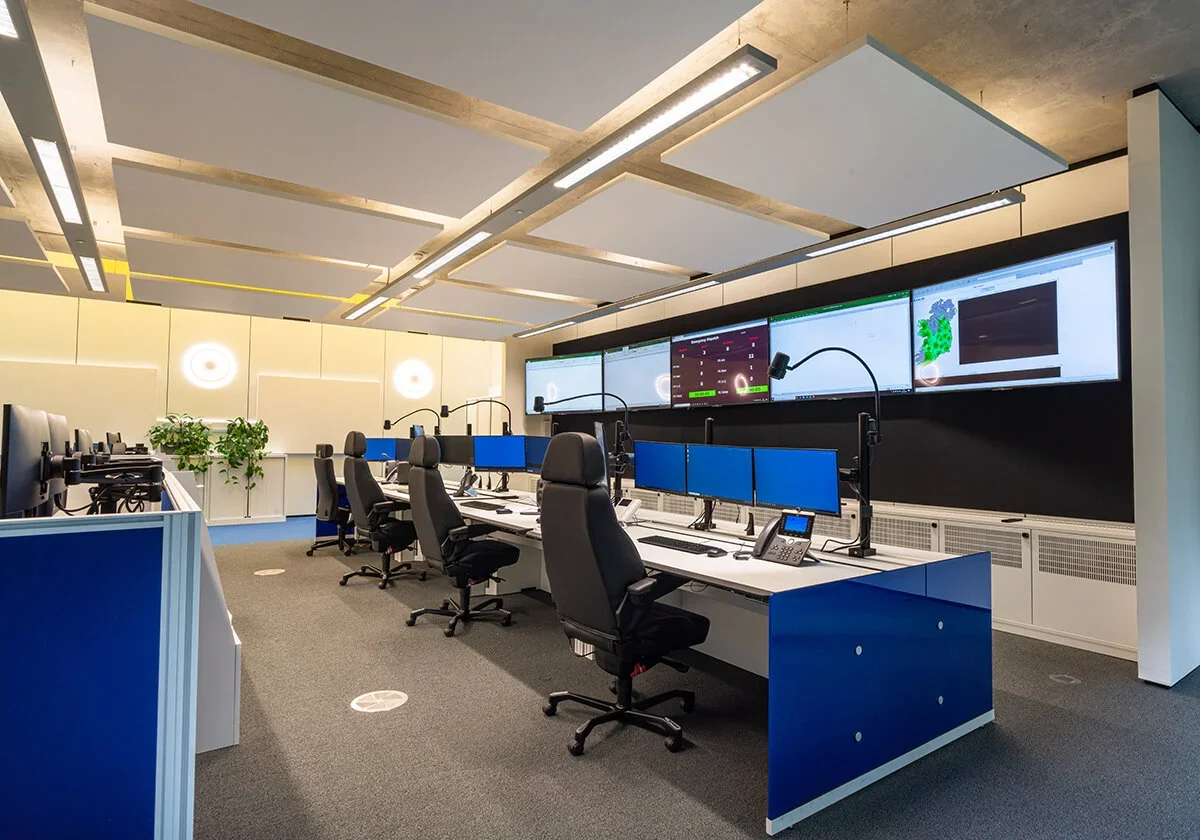
If you need more detail on material specifications for control room or trading floor furniture, our team can offer technical guidance to support your project.