Which Office Desk Is Best for Your Type of Workspace
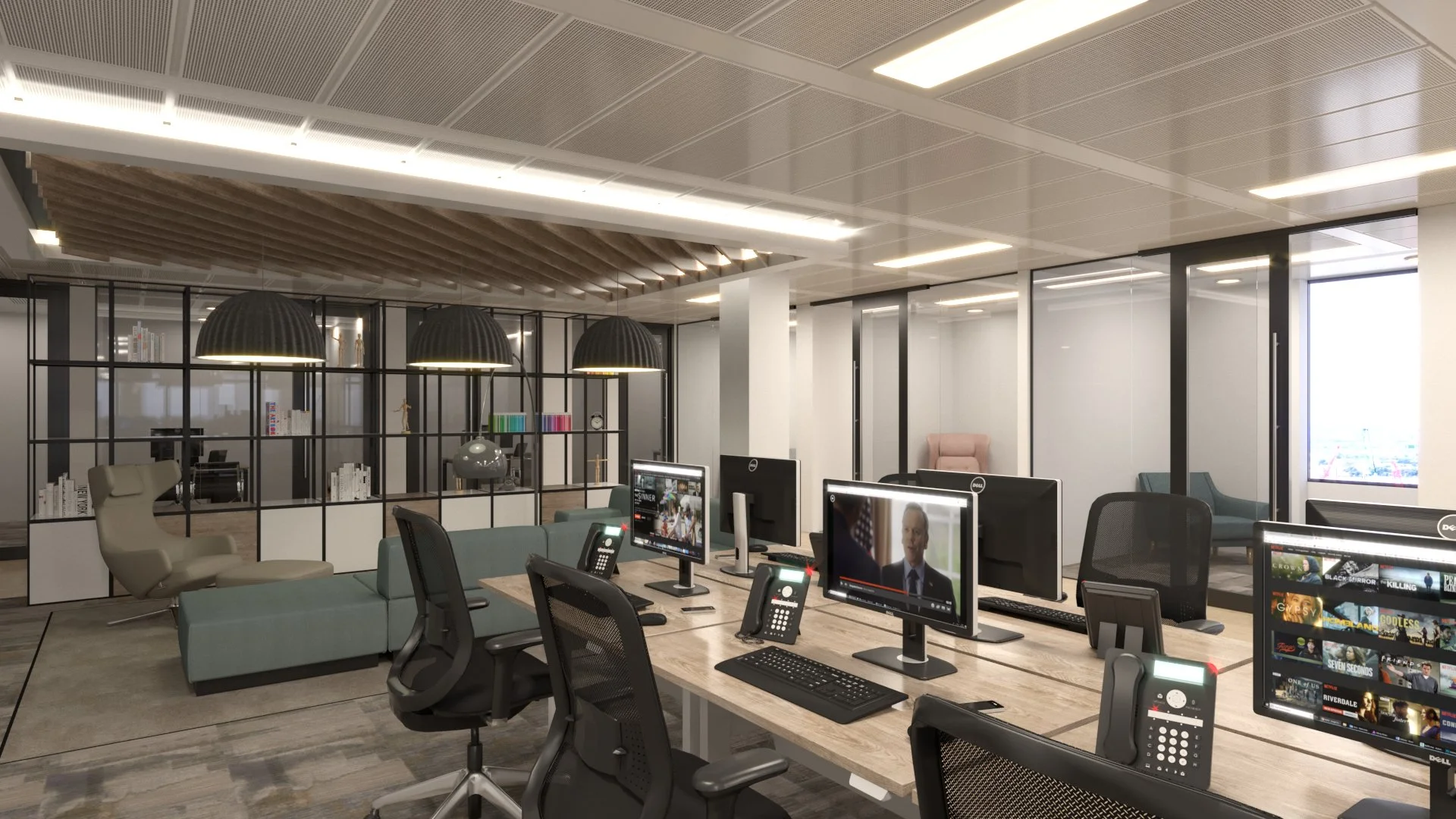
What makes the perfect office desk? That depends on where and how it will be used.
A desk that works well in an open-plan space might not be the best choice for homeworking or an executive office. Every workplace has its own challenges and priorities. You might be looking to maximise floor space, or accommodate technology and encourage teamwork.
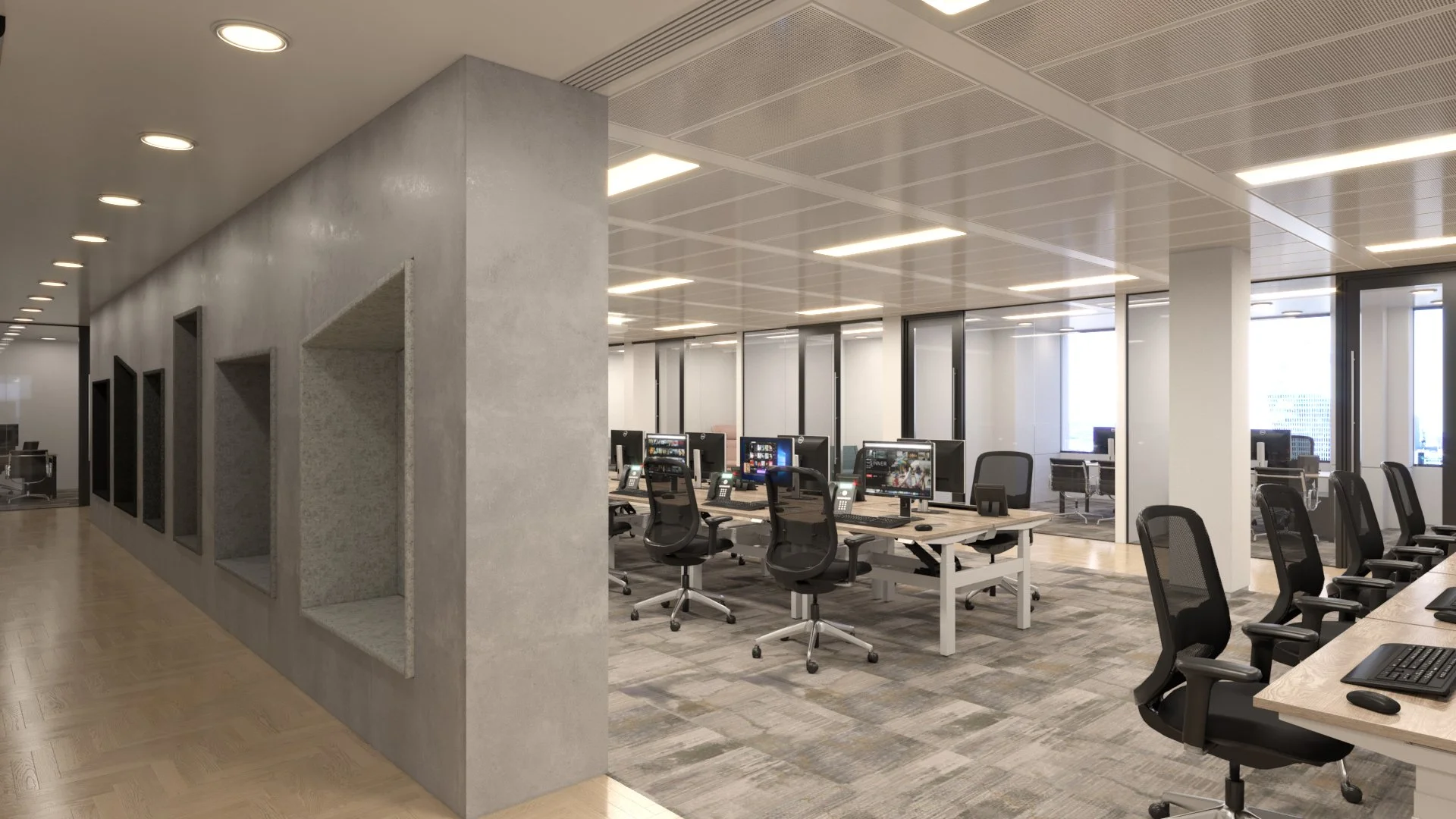
By understanding the needs of different working environments, businesses can create more productive workspaces. In this guide, we explore the office desk solutions best suited to a range of workplace settings.
Open plan workspace
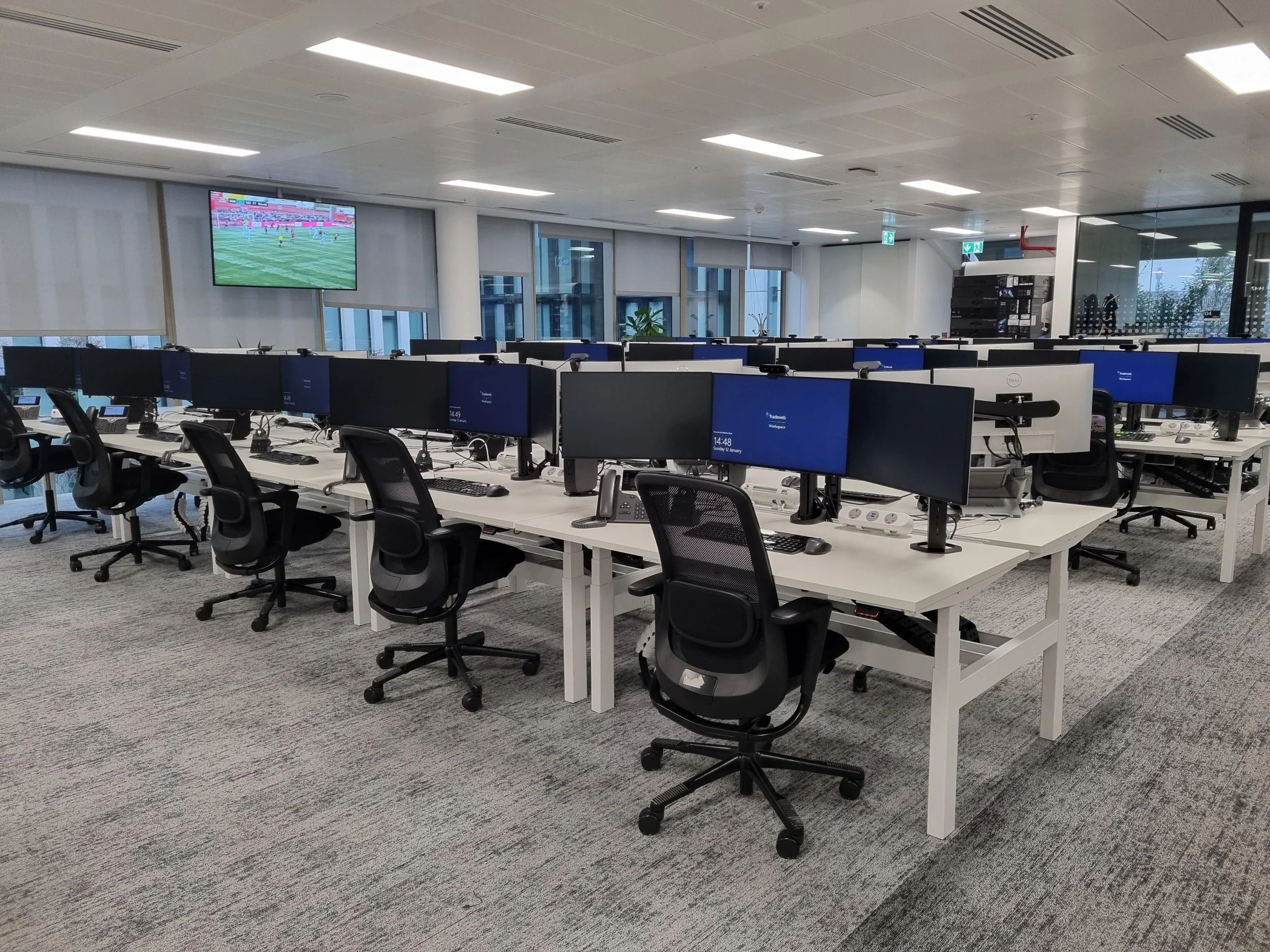
Open plan offices are still the most popular workspace layout by far. They offer many benefits, including better communication between teams and efficient use of space. Some desk layouts are particularly well suited to this environment:

Bench desks
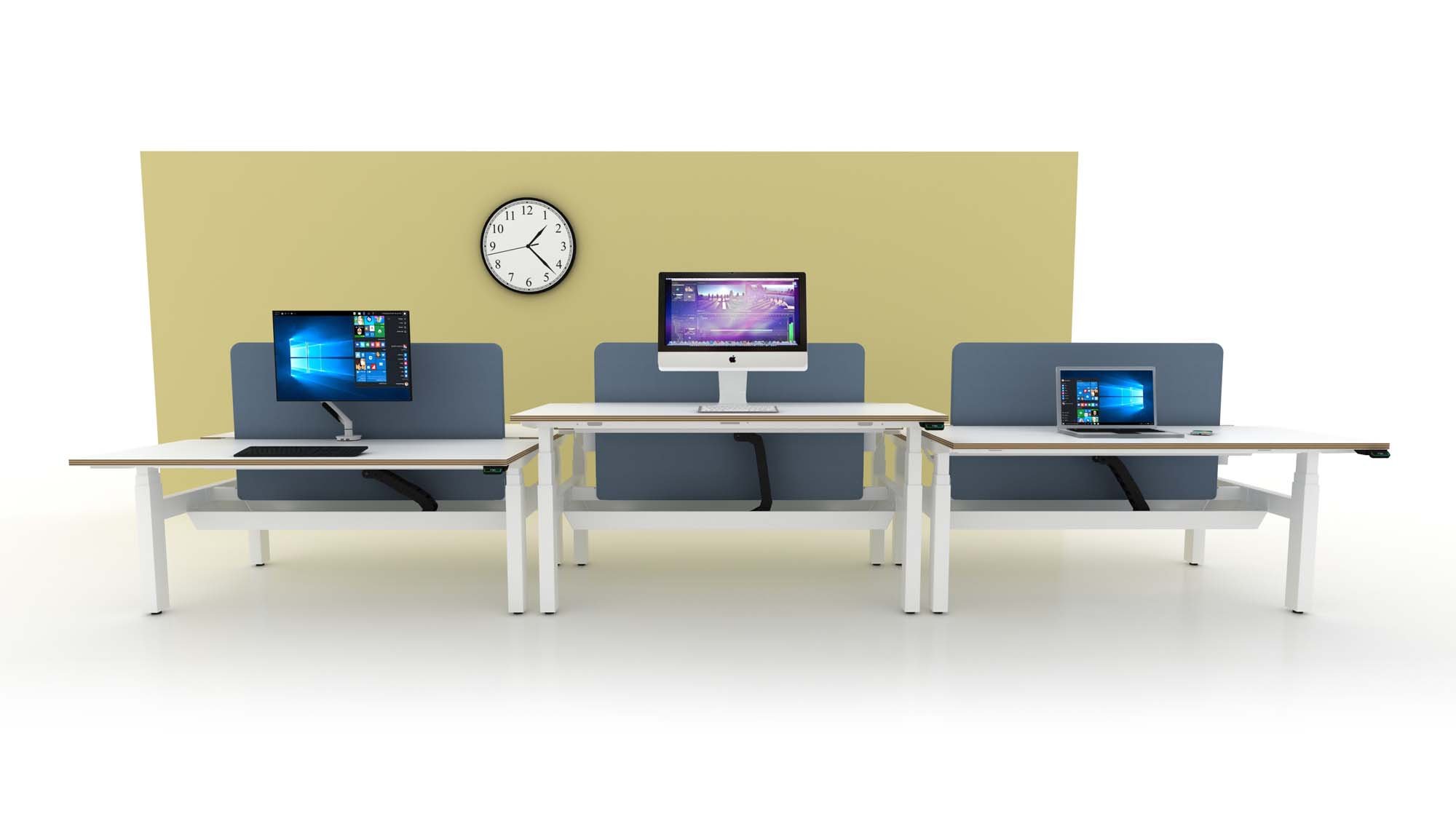
Bench desks allow teams to sit together and are arranged in linear formations that use space efficiently. They are usually positioned back to back in a row and differ from standard office desks in that they have one continuous surface. This means they can have a shared desk frame with fewer legs, which is very cost effective.
They can seat large teams or just two people. It’s important to consider cable management, as spaces with multiple desks can easily become cluttered. The desks can be fitted with cable trays or troughs to contain the cables and maintain a tidy space.

Cluster desks
Cluster desks have regained popularity in recent years, particularly in workplaces that value collaboration. Typically, three or more desks are grouped together in a circular formation. They can be joined to other groups of desks to form larger configurations. Cluster desks usually have curved desktops. The circular formations allow colleagues to face each other, improving communication across teams.
Hybrid/desk sharing
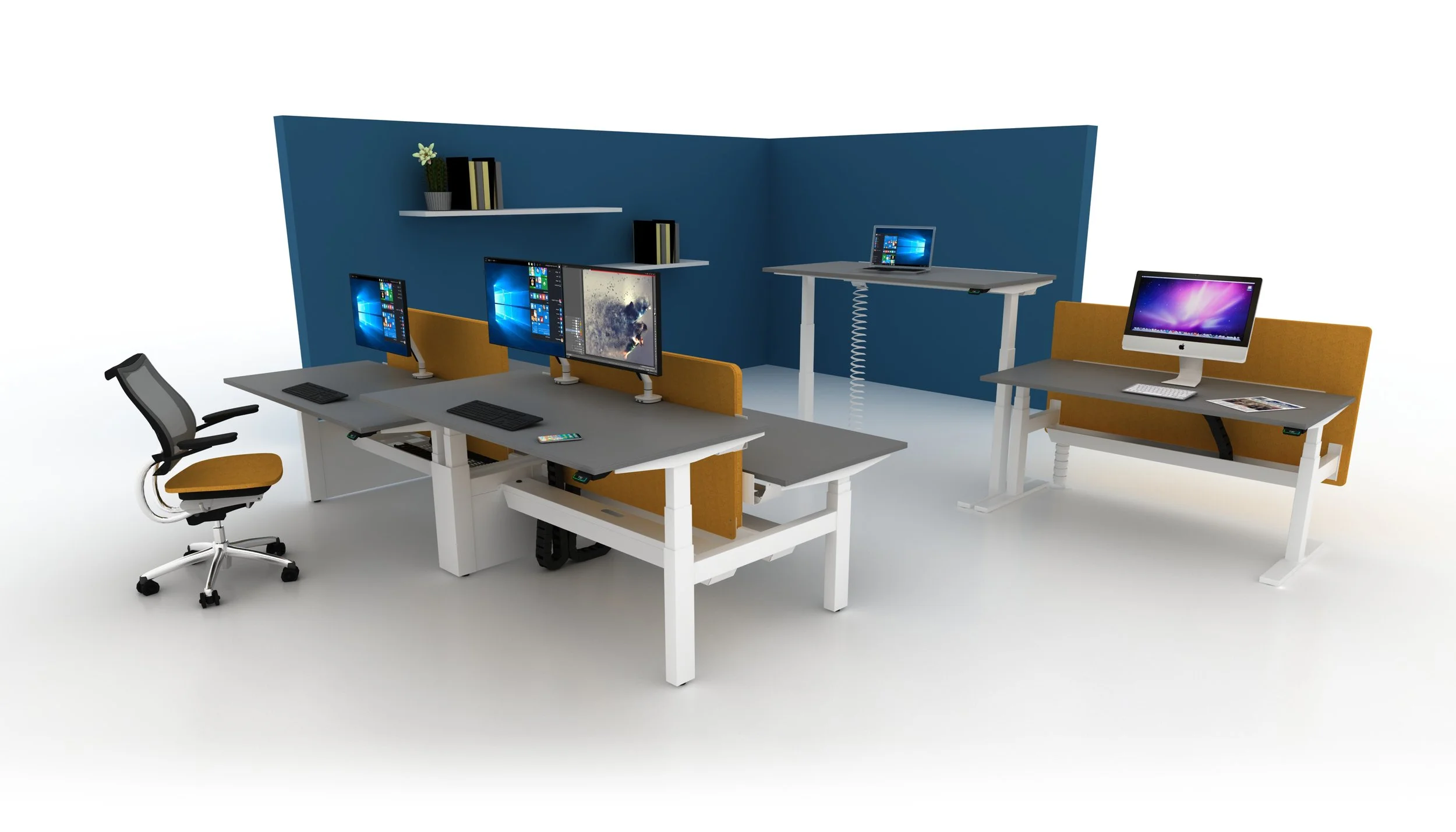
Hybrid working has changed how offices are used. Many organisations no longer assign permanent desks, instead relying on shared or flexible seating arrangements.
There are plenty of features that can make shared desks easier to use. For example, a height adjustable desk means workers can change the desktop level to suit their height or posture.
Hot desking will likely mean the desks are in use for longer hours. Durable surfaces help prevent wear and tear, meaning the desks won’t need replacing as often. Laminate surfaces, for example, are very scratch and moisture resistant so could be the best option for a shared workspace. Laminate can be bonded to chipboard, or the desktop can be solid laminate throughout - this is the most durable option.
When different users share the same desk, quick connect technology makes it easier for everyone to set themselves up. Laptop docking stations let you connect your laptop without plugging in multiple power, USB, and monitor cables. Desktop power units help you connect devices without reaching awkwardly under the desk.
Home offices
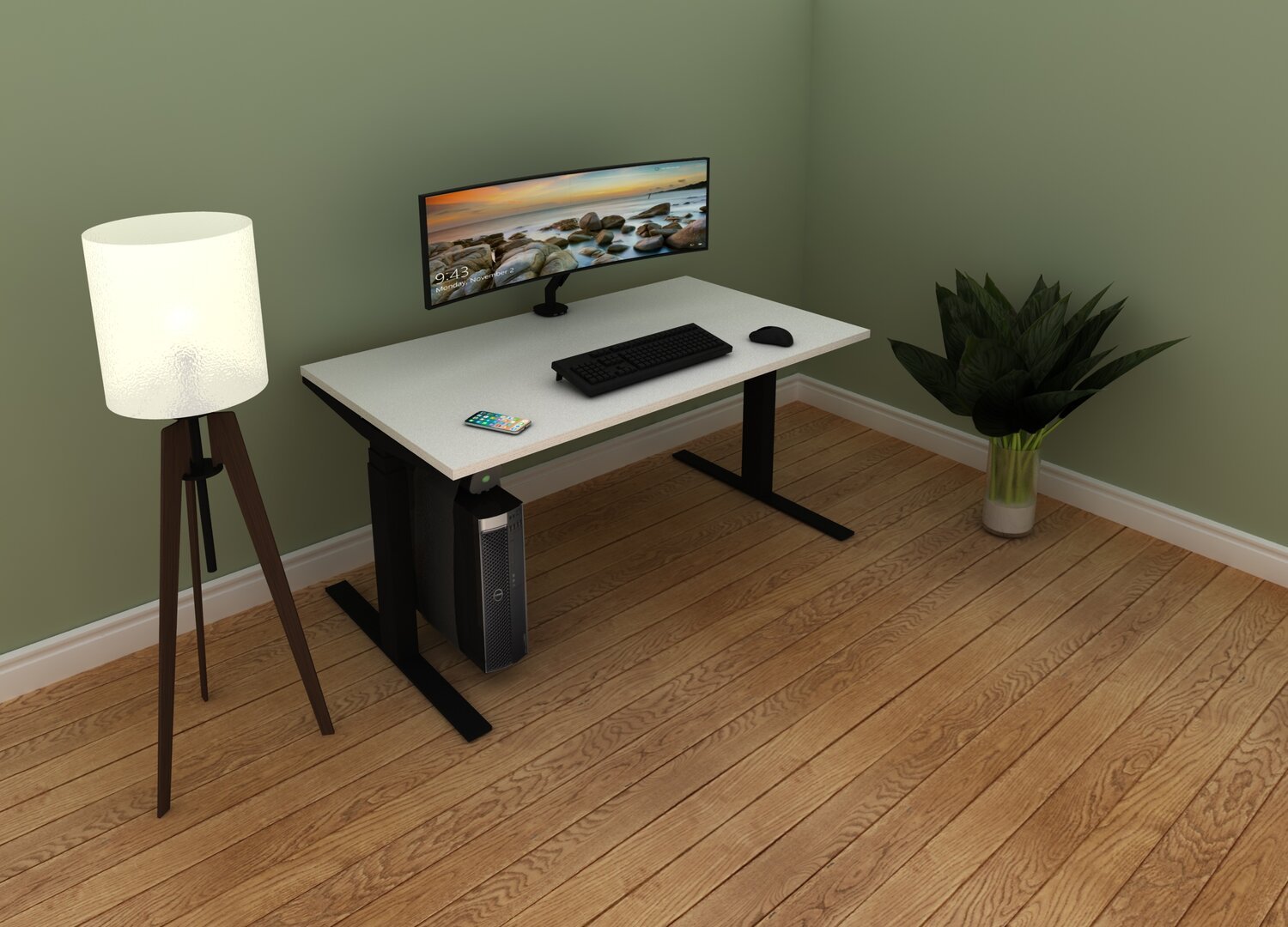
Since the pandemic, homeworking has become the norm with many employees splitting time between home and the office. It’s essential to provide homeworkers with the right furniture to create a healthy working environment.
Home office desks often need to fit in a more compact space than an office workstation, so getting the dimensions right is important. Below desk storage can help maximise the available space by keeping everything in one place and preventing work materials spilling out over the rest of the room. Useful if your workspace is in a bedroom or living room!
Homeworking setups have come a long way since the early days of the pandemic, and homeworkers should no longer be working on a laptop in a makeshift space. If your budget allows, a height adjustable desk is ideal. It’s easy to lead a sedentary existence without a commute or lunchtime walk. Height-adjustable desks go some way toward combating this. Alternating between sitting and standing during the day helps prevent back and neck ache and boosts circulation.
Executive offices
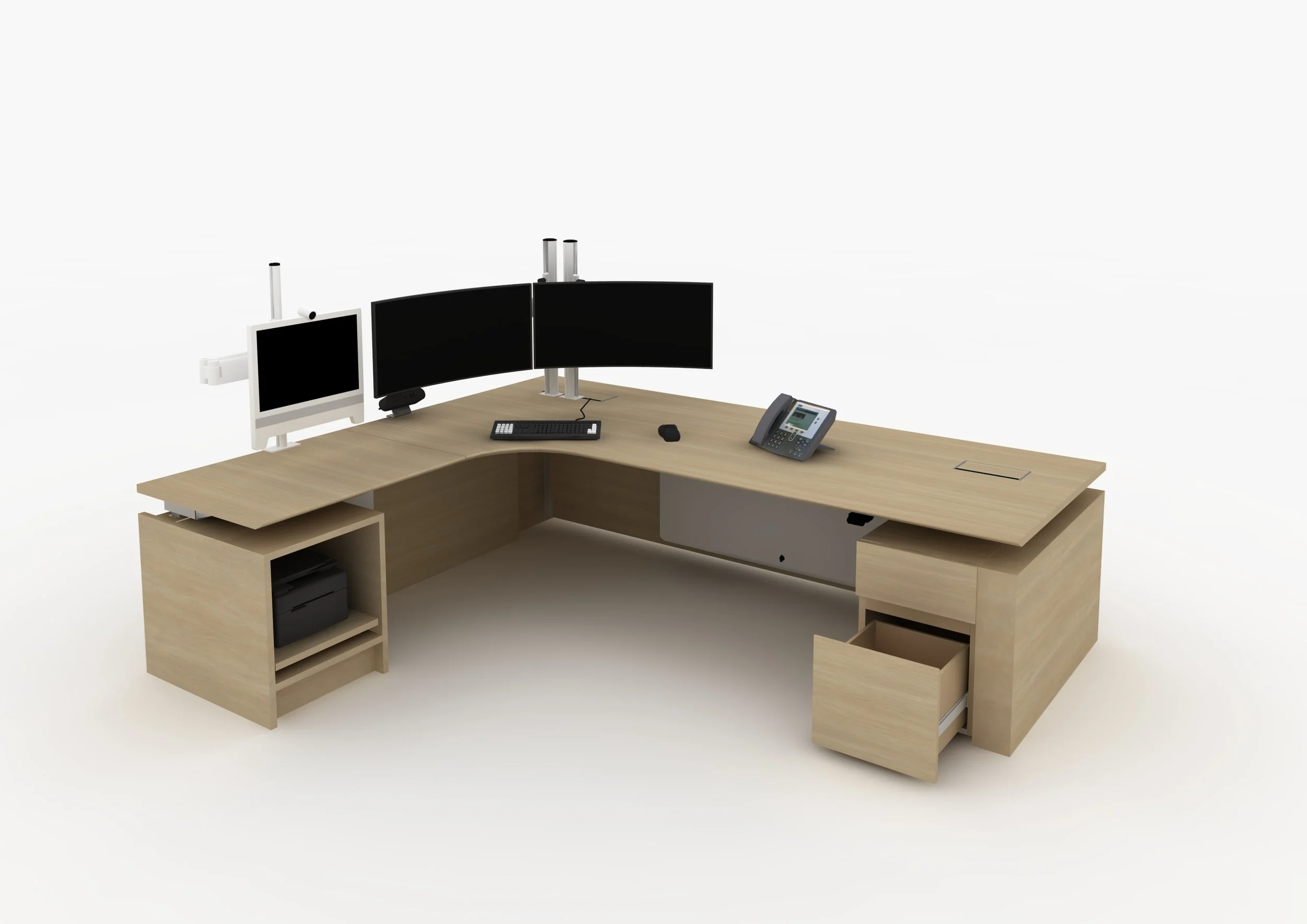
Executive offices have more than one function. They support an individual’s high level work whilst also reflecting the organisation’s professionalism and brand identity. Senior leaders will typically be using their workspaces for a wide range of activities. They could be doing focused individual work or conducting virtual or in-person meetings with colleagues and clients.
There are a few reasons why executive desks need to be larger. A bigger desk provides space to sit with one or two colleagues for a discussion without moving to a separate meeting room. Executives might be working across multiple devices such as laptops, monitors, and docking stations. A larger desk provides space for all of this without becoming cluttered.
Executive desks are often constructed from premium materials. Carefully considered design details can help executive desks create a polished, professional appearance. These can include a woodgrain finish or end panels on each side of the desk.

Call centre environments
Call centre workers tend to spend more time at their desks than regular office workers, so it’s important that their workspace is comfortable and durable.
It’s common for customer service teams to work shifts at shared workstations. In this environment height adjustable desks can help everyone set their desktop to a comfortable height. They also provide the flexibility to alternate between sitting and standing, which can help reduce fatigue and improve comfort during long shifts. Durable laminate desktops help prevent the desk becoming scratched or warped after long hours of use.
As call centres can be busy environments with multiple conversations taking place simultaneously, acoustic desk screens are a valuable addition. By helping to absorb sound and provide a degree of separation between workstations, they can reduce distractions and create a more comfortable environment for employees who spend much of their day on calls.

Budget office setups
Cost is one of the top considerations when furnishing a new office. However, choosing desks based solely on the lowest purchase price can prove more expensive over time. Low cost furniture is made of poorer quality materials and may need replacing every few years.
A well built desk might seem more expensive initially, but in the long term it’s a more economical choice. Quality durable furniture will stand the test of time, saving you money in the long run.
In terms of desk style and layout, bench desks are a good option. They maximise floor space by combining multiple workstations into a single continuous system. Bench desks have a shared frame, making it easy to add new workstations without changing the office layout. Cable management is integrated into a single system rather than duplicated at every workstation, reducing clutter and making layouts more compact.
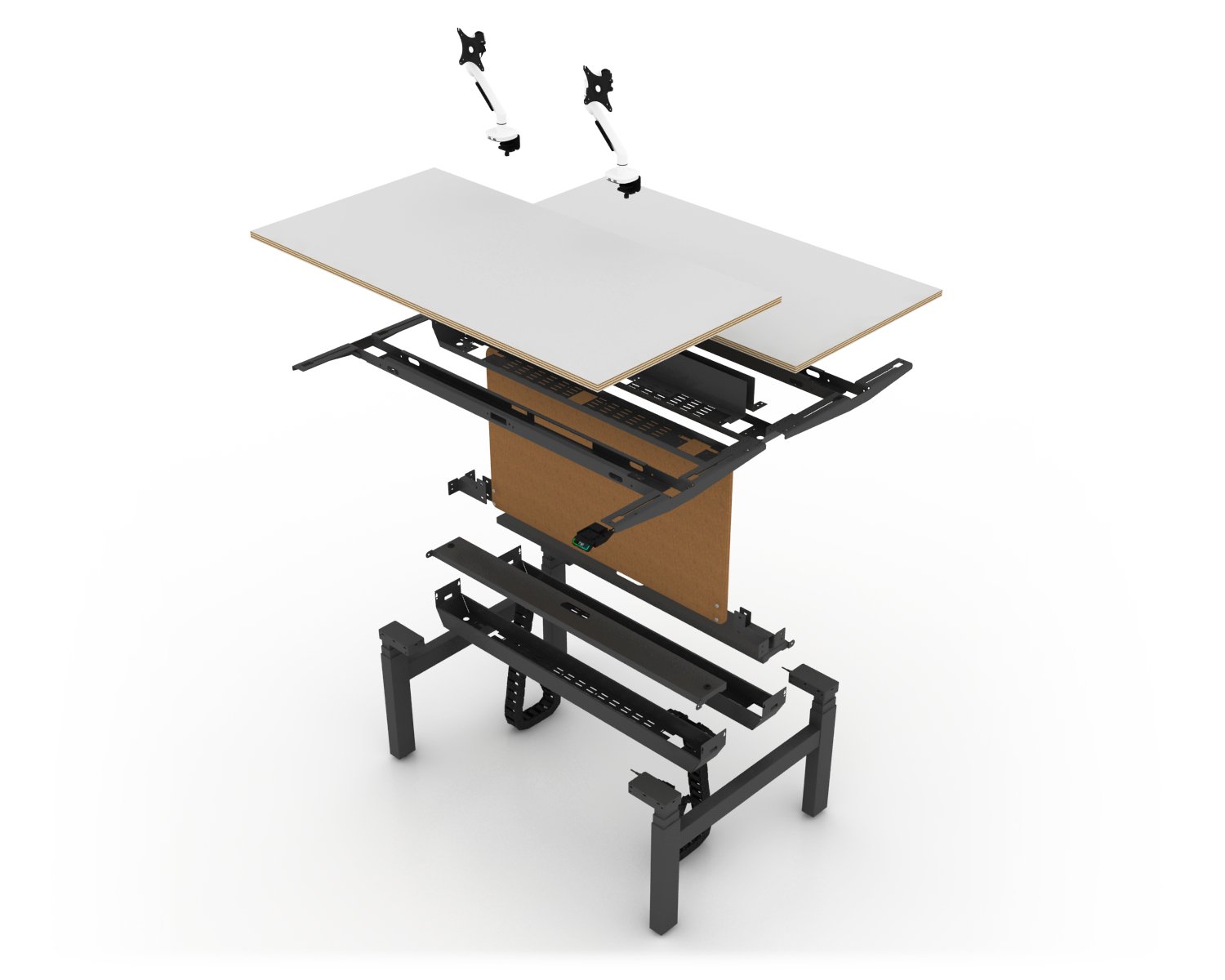
The right desk can have a significant impact on comfort, productivity, and space utilisation. Explore our extensive range of office desks to find one that meets the needs of your workplace.